

Next month, Endurance Energy will send Adélie — a 100-kilowatt geothermal generator named for a penguin — to an undersea volcano off the Oregon coast, tapping hydrothermal fluids that can reach 750 degrees Fahrenheit.
It’s the Seattle startup’s fifth deployment into the ocean floor, part of founder and CEO Andrew Redd‘s bet that the technology can one day electrify entire cities.
“Addressing the clean power problem is a way to make significant, scalable impact,” Redd said. “It’s a fundamental of human life — people need power.”
Endurance is part of a broader race to harness geothermal energy — heat from water or steam under the Earth’s crust, converted into electricity. But while companies such as Fervo and Sage Geosystems focus on terrestrial sites, Endurance is the first commercial venture pursuing undersea sources.
Redd left an engineering role at SpaceX to launch his company in January 2025. Endurance’s headquarters sit on the north shore of Seattle’s Lake Union, in a building that once housed seafood processing, just down from Ivar’s Salmon House.
“There was a big crab on the wall. There were pinup pictures from the fishermen that would sleep out back,” recalled Nate Rodland, Endurance’s chief operating officer.
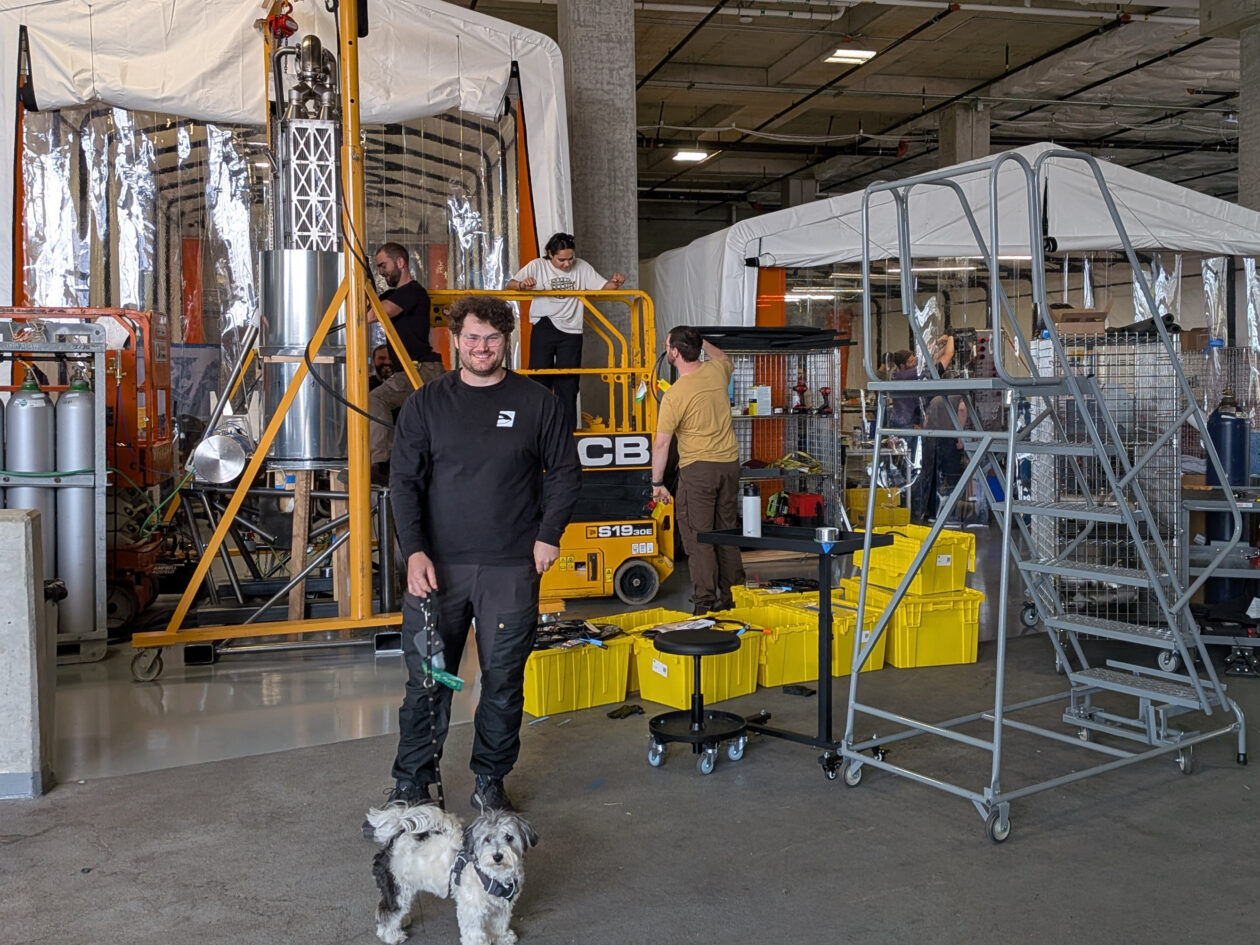
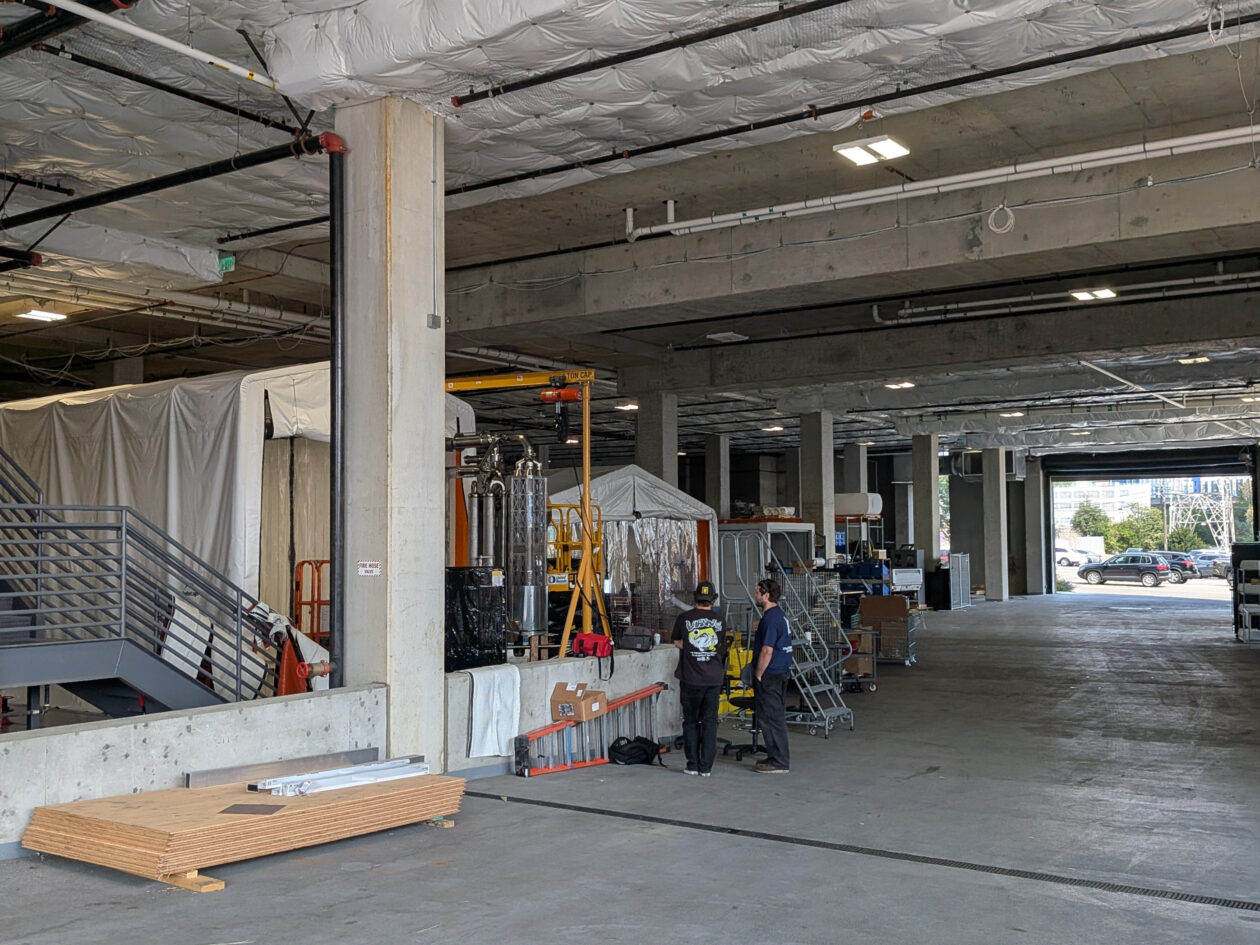
This summer, the team expanded across the street into a 25,000-square-foot concrete facility — it’s cavernous, like a parking garage with ultrahigh ceilings — where giant white tents now house separate R&D and manufacturing operations.
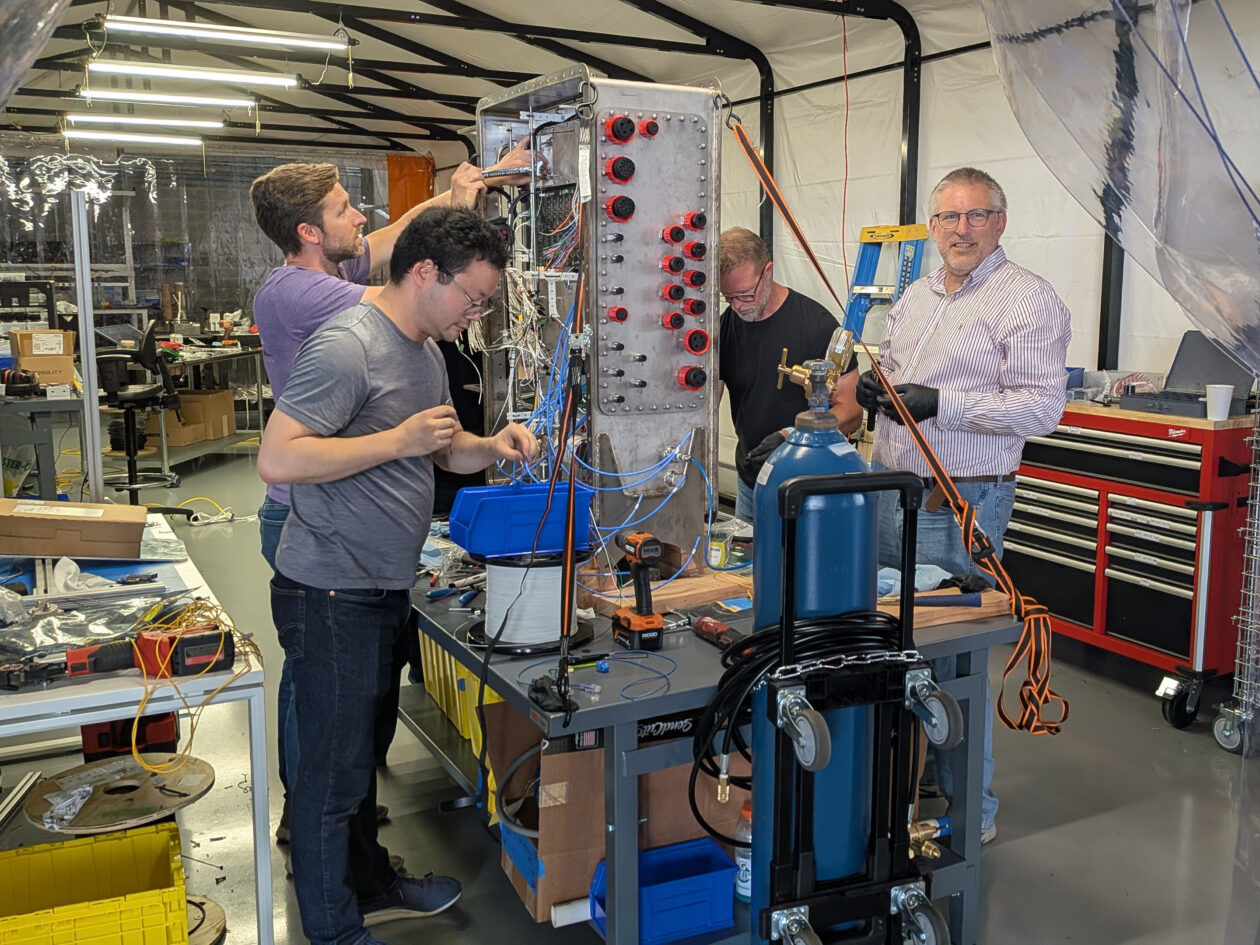
The space is bustling with employees assembling components ahead of the Sept. 7 pilot demonstration.
“Everyone is incredibly multidisciplinary. The challenge is incredibly multidisciplinary. That’s what makes it so fun and exciting,” said Redd, watching his team at work. He pointed to the company’s thermal fluids analyst, for example, who at that moment was assembling electronics enclosures.
The team’s roughly three-dozen members include 12 SpaceX alumni, plus veterans of fusion startup Helion Energy and Blue Origin.
Here’s how the Endurance system works:
- Drill a borehole: The team will drill a narrow hole a safe distance from active vent fields that will go about 200 feet into the seafloor to tap hydrothermal fluid.
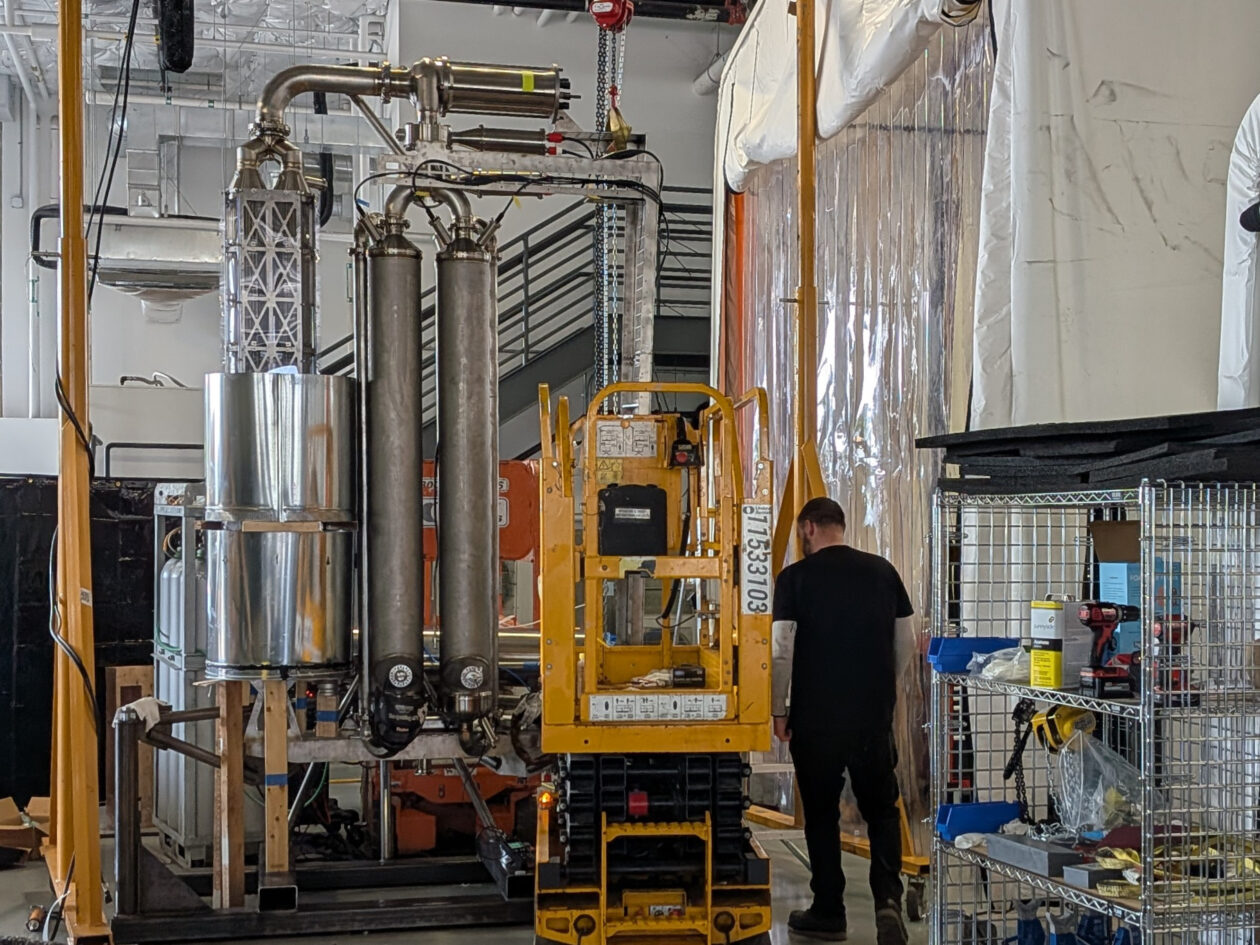
- Harness the heat: Hydrothermal fluid flows into a generator, heating a closed-loop refrigerant through titanium tubes until it boils and spins a turbine.
- Reset: Naturally cold seawater cools the refrigerant back into a liquid state to repeat the cycle. The warmed water is released to the seafloor.
- Move energy: The deployment next month will send performance data back to shore via the University of Washington’s existing OOI Regional Cabled Array. Permanent installations will move electricity through undersea cables.
- Control the process: Underwater, remotely controlled electronics are housed in oil-filled, pressure-balanced chambers to handle deep-ocean conditions.
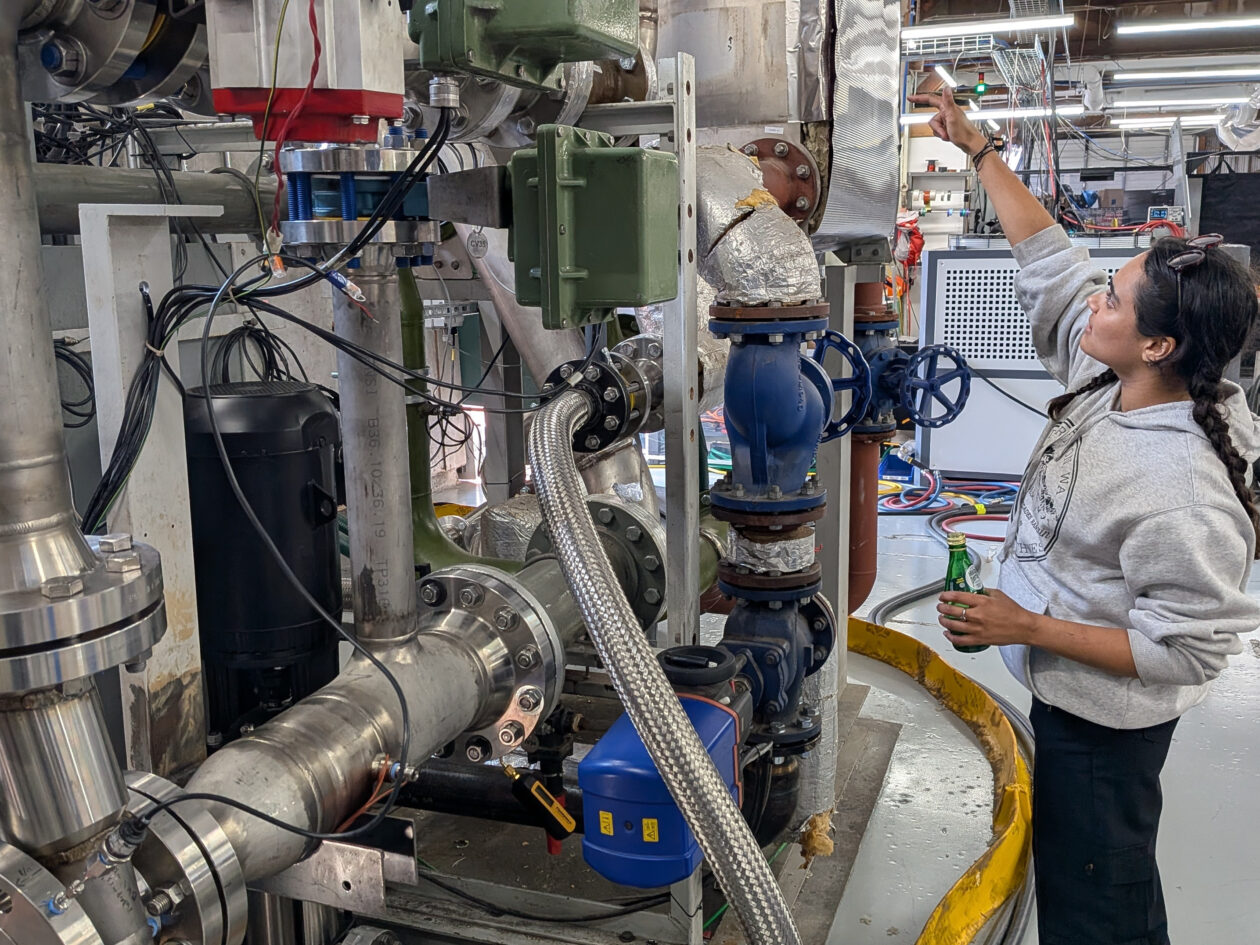
“We kind of joke that everything we do is just heating, cooling and pumping,” said Aditi Bhatt, chief of staff, as she pointed out earlier prototype devices housed in Endurance’s original building.
Each unit is named for a sea creature, moving up the food chain as the generators grow — krill, silverfish, and eventually an orca pod. Adélie’s power capacity would be able to power about 200 homes in Washington.
The company touts the environmental sustainability of its system, which has a small physical footprint, creates limited noise, releases no toxic chemicals and emits no carbon.

Endurance has done four prototype deployments, reaching a depth of about 2 miles and temperatures up to 726 degrees Fahrenheit. The company has previously visited the Pacific Northwest’s Juan de Fuca Ridge, the Mariana Trough, the East Pacific Rise off Mexico, and the Kingdom of Tonga in the South Pacific Ocean.
While the startup has made rapid progress, the strategy faces real challenges: high pressure and corrosive conditions, mineral scaling inside devices, and the risk of costly repairs to seafloor machinery. And though many population centers sit near shorelines, the systems will still need expensive subsea cables to carry power over potentially long distances.
But the potential to tap a limitless source of around-the-clock, carbon-free electricity is attractive, and the company has raised $63 million from investors.
The next device, at megawatt scale, will power Endurance’s first commercial pilot, with the Kingdom of Tonga. Work on that begins as soon as Adélie is deployed, with the goal of shipping next year.
The pace aligns with Redd’s experience at SpaceX.
“I remember many times working on the next rocket before the previous one had actually launched, just because of how much you learned from the process of building something,” he said, adding that the team is inspired by their mission.
“The sooner we can get clean, low-cost power on the grid, the more people we’re able to help,” Redd said. “So we’re really driving with intensity.”
Keep scrolling for additional photos.
Post a Comment
0Comments